Establish suitability
Identify the existing membrane and previous treatments, evaluate moisture and test adhesion. A small test area reveals whether the proposed preparation and coating bond to this roof.
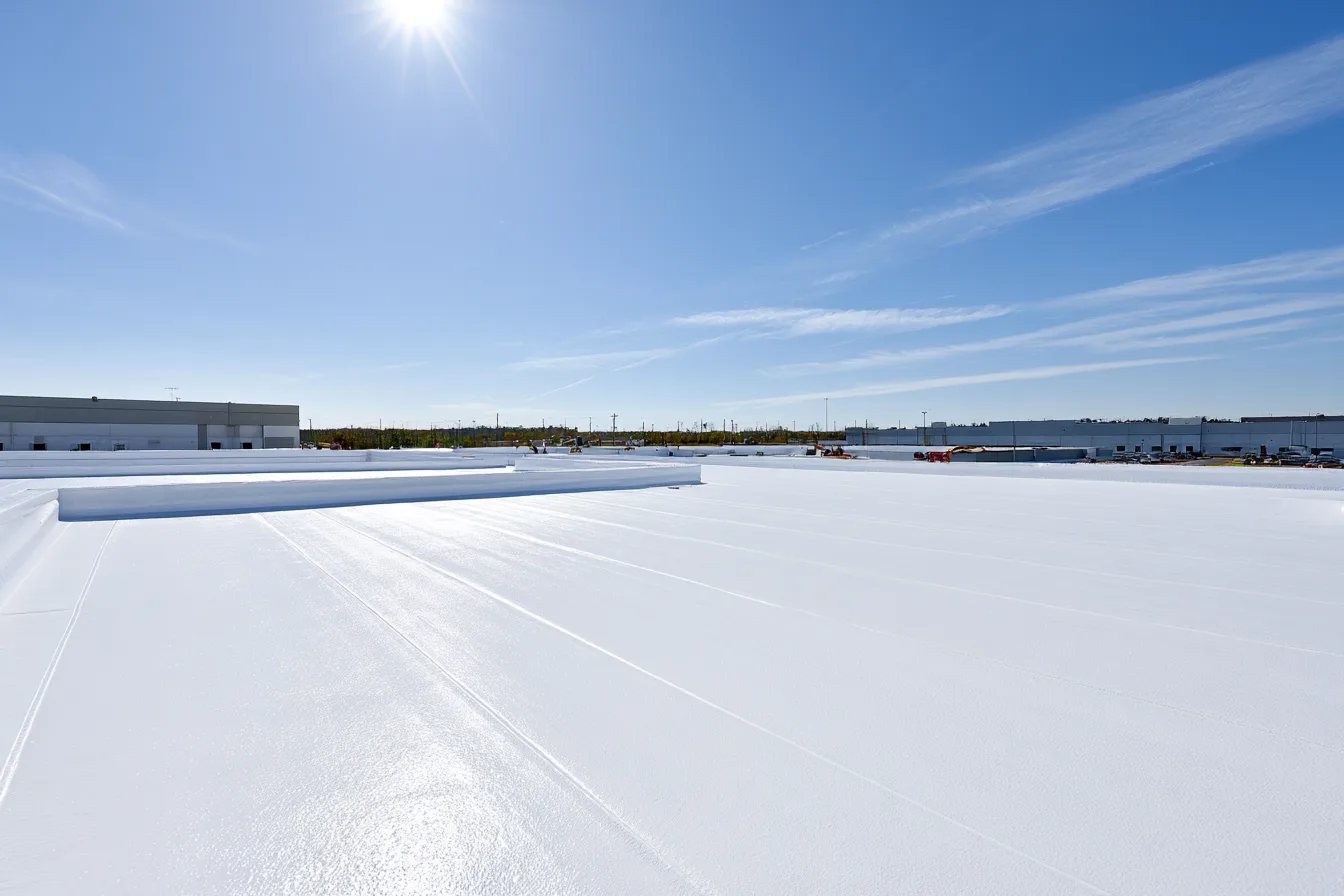
Forest Hill, TX
Keep a serviceable commercial roof working for you. Find out when restoration makes sense and when the layers underneath need more.
Replacing every layer is not always the best use of a building's roofing budget. A suitable coating system can renew the exposed surface while retaining a serviceable roof beneath it. That is the appeal of restoration: keeping useful material in place instead of removing it simply because the surface has weathered.
The existing roof must earn that decision. A coating cannot make wet insulation dry, strengthen a failing deck or reshape a low area so it drains. Its value depends on the material it bonds to and the repairs completed before application.
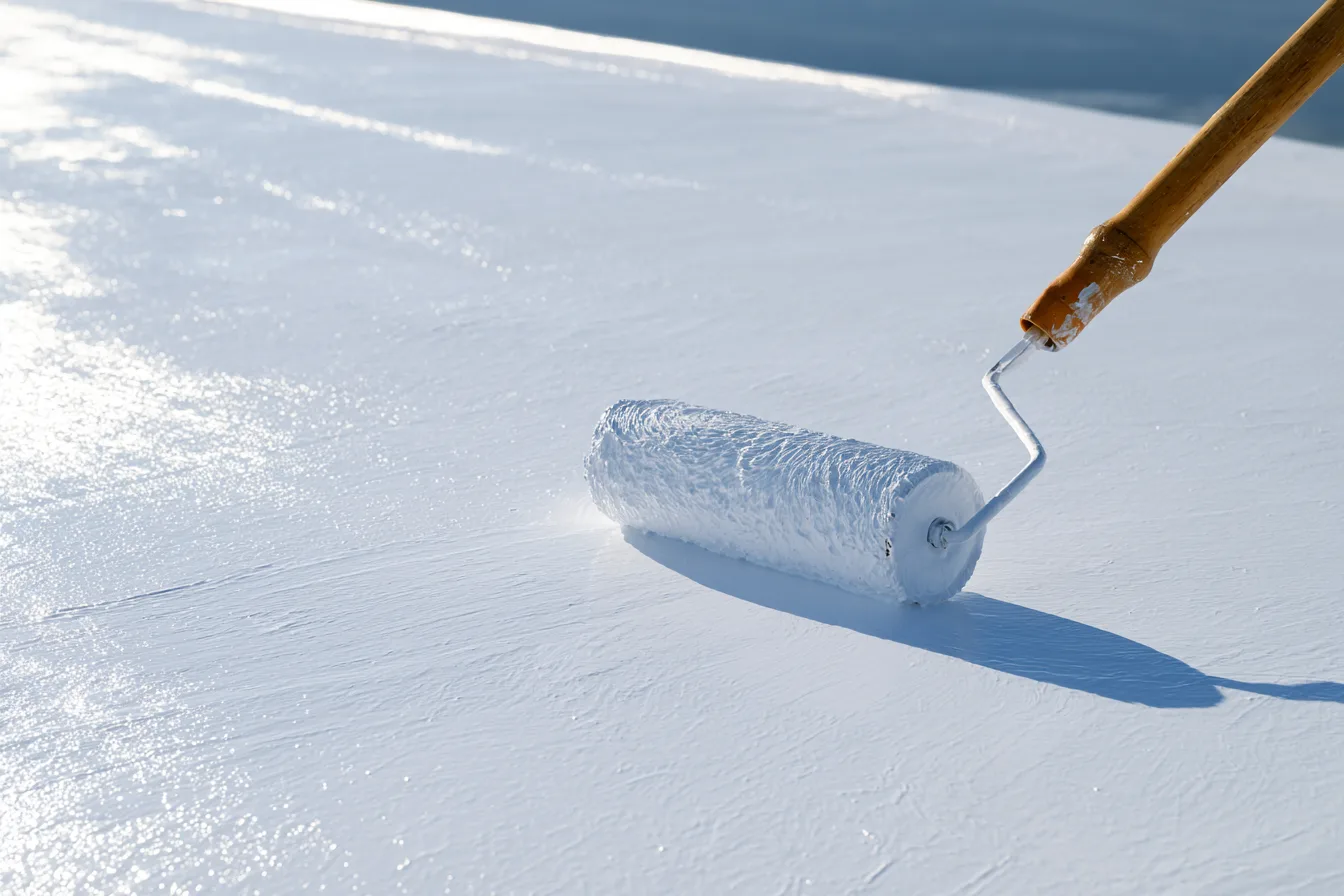
A securely attached, suitable substrate with manageable repair needs can support restoration. Moisture assessment and adhesion testing help establish that condition. Localized wet areas need removal and replacement as part of preparation.
Widespread saturated insulation, unstable roofing or unresolved drainage can make coating the wrong investment. A new finish may hide those conditions without resolving them. Replacement or more extensive repair addresses the affected layers first.
The finished surface is the last step. Much of the work that makes it useful happens before the coating is spread.
Identify the existing membrane and previous treatments, evaluate moisture and test adhesion. A small test area reveals whether the proposed preparation and coating bond to this roof.
Remove affected wet materials, address failed details and clean the substrate. Seams, penetrations and transitions receive the reinforcement or treatment required by the selected system.
Primer needs, coverage, finished film thickness and curing conditions belong to the actual product specification. A roof that looks uniformly white is not, by appearance alone, proof of the correct application.
Silicone and acrylic coatings have different application and water-exposure limits. Some silicone systems are designed to tolerate ponding water. Acrylic options generally need positive drainage, with the selected product's requirements controlling the job. The existing surface and any old coating also affect which system can bond successfully.
Water tolerance does not turn a coating into a drainage repair. If water collects because an outlet is obstructed or the roof has a low area, that cause still belongs in the plan. The same principle applies to cost: a lower coating price is useful only when the retained roof is worth keeping.
For early budgeting, the roof cost guide includes a published DFW coating planning band with its source and limitations. Keep removal of wet materials, required repairs and surface preparation in the comparison; coating and replacement are different scopes.
A restoration system can address certain surface and detail problems when the roof is suitable and the failed areas receive the specified repair. Spreading coating over an unidentified leak is not the same scope. Wet insulation or damaged supporting layers require their own work.
Some aged TPO roofs can accept a compatible restoration system after preparation, adhesion testing and repair. The membrane condition and prior treatments matter. The TPO roofing page also explains when a welded repair or replacement may fit better.
A suitable silicone coating can tolerate water exposure within its specification, but it does not change where water flows. Persistent pooling remains a flat-roof drainage question involving roof shape, outlets and the condition of the assembly.
There is no useful universal number. The retained roof, preparation, specified coating system, exposure and maintenance all affect performance. A product or system warranty has its own conditions and is not a prediction of how long every roof will last.
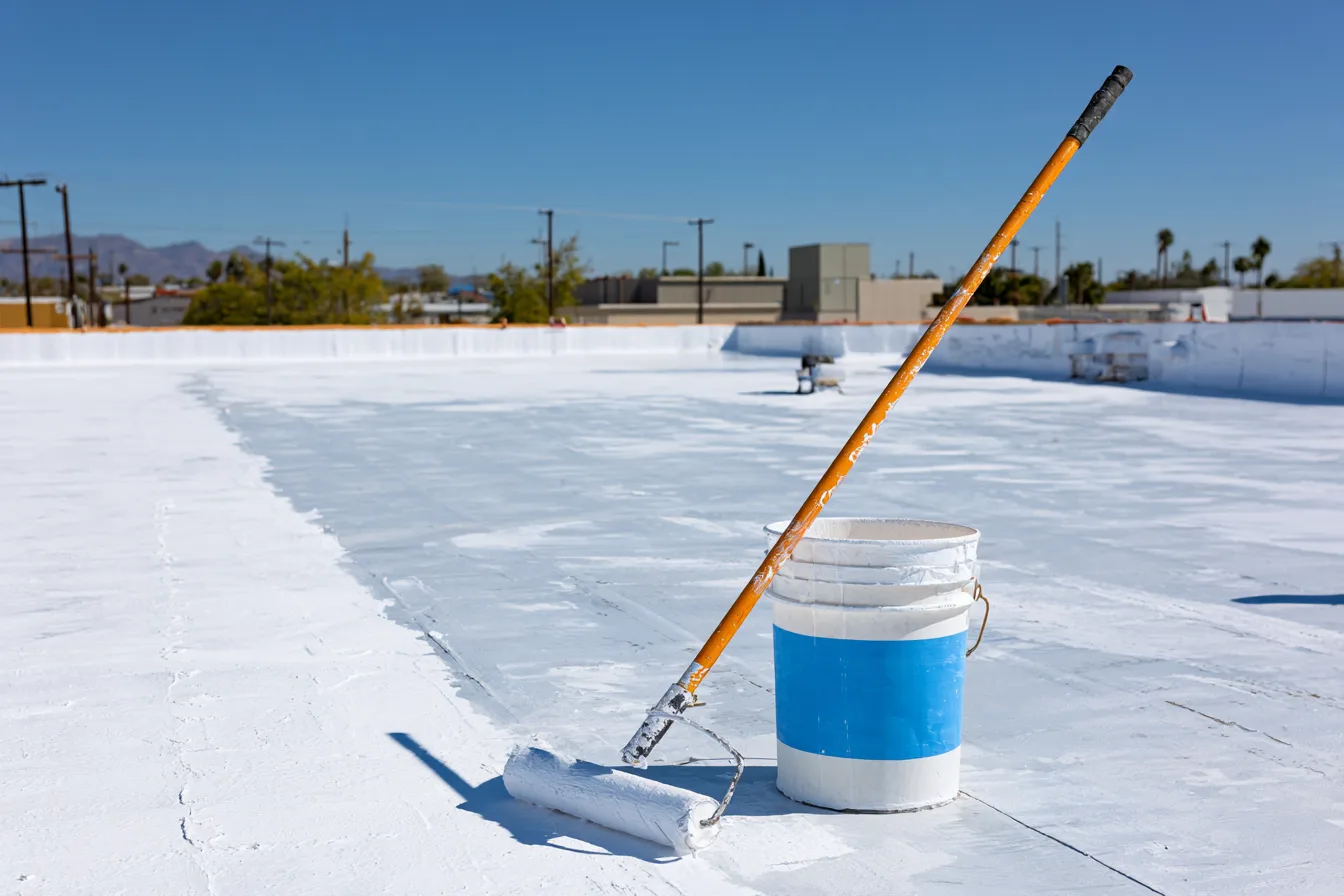
Forest Hill Roofing Company
If you'd like to preserve the roof you have, start with its current condition. Tell us about the surface, any previous coating and the concern that brought you here.
(817) 634-0700