A roofer photographs a weathered shingle roof using a smartphone

Forest Hill, TX

Roof insurance basics for Forest Hill homeowners

A damaged roof raises two questions: what needs fixing, and what your policy pays. Keeping them clear makes the next step easier.

Tell us about your roof

Start with the property and the roofing help you need.

The roof finding and the coverage decision

A roofing assessment describes the physical problem: damaged shingles, an open junction, wet decking or another defect. The insurer evaluates coverage under your policy. A repair estimate does not establish that the entire amount is covered.

The Texas Department of Insurance roof guide explains that an old or worn roof alone is not a reason for insurance to buy a replacement. Storm damage and ordinary deterioration can exist on the same roof. Photos and a specific description of the affected areas make that distinction easier to follow.

A nearby storm report can help identify a date to discuss. It cannot show what happened to your individual house or settle a coverage question.
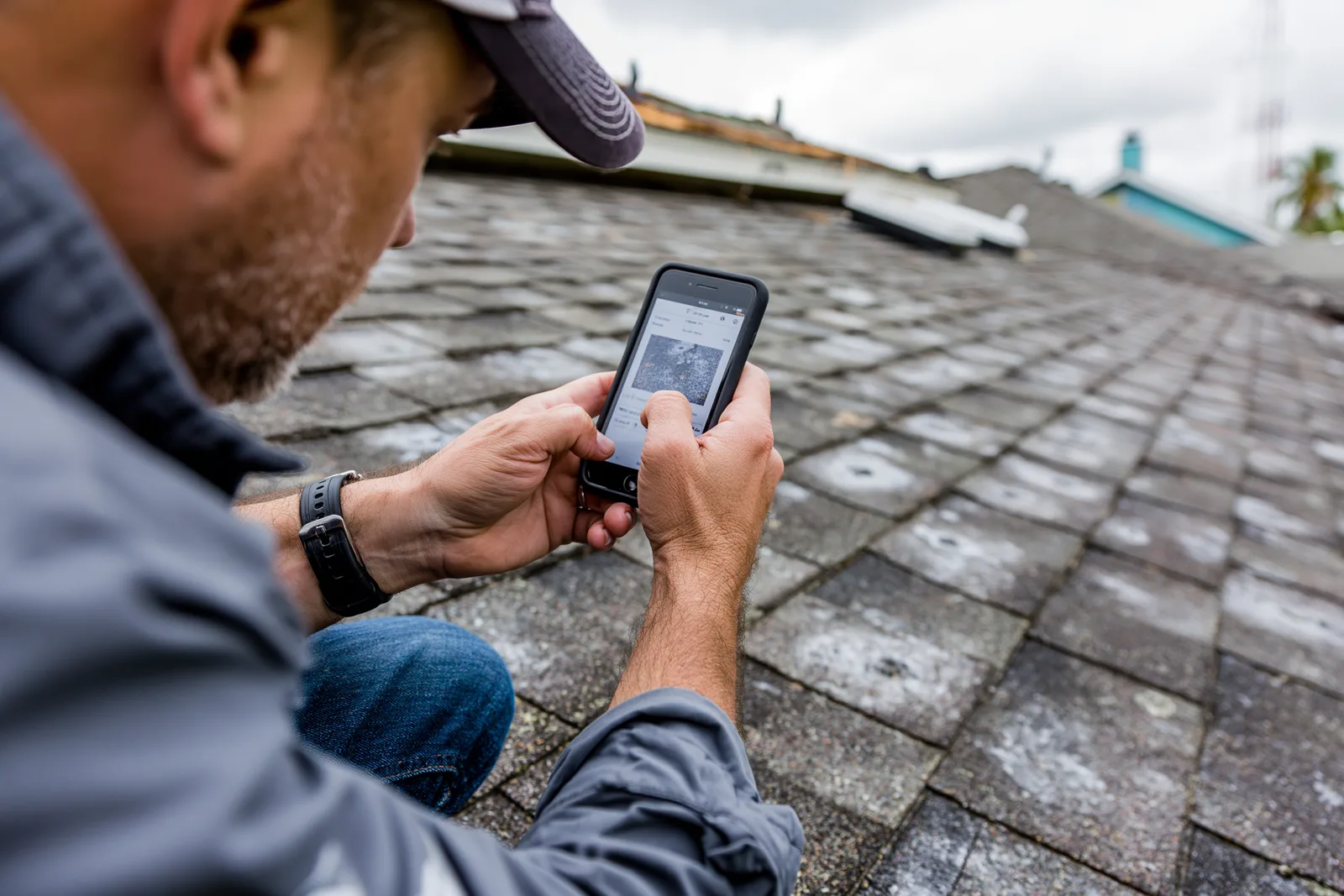
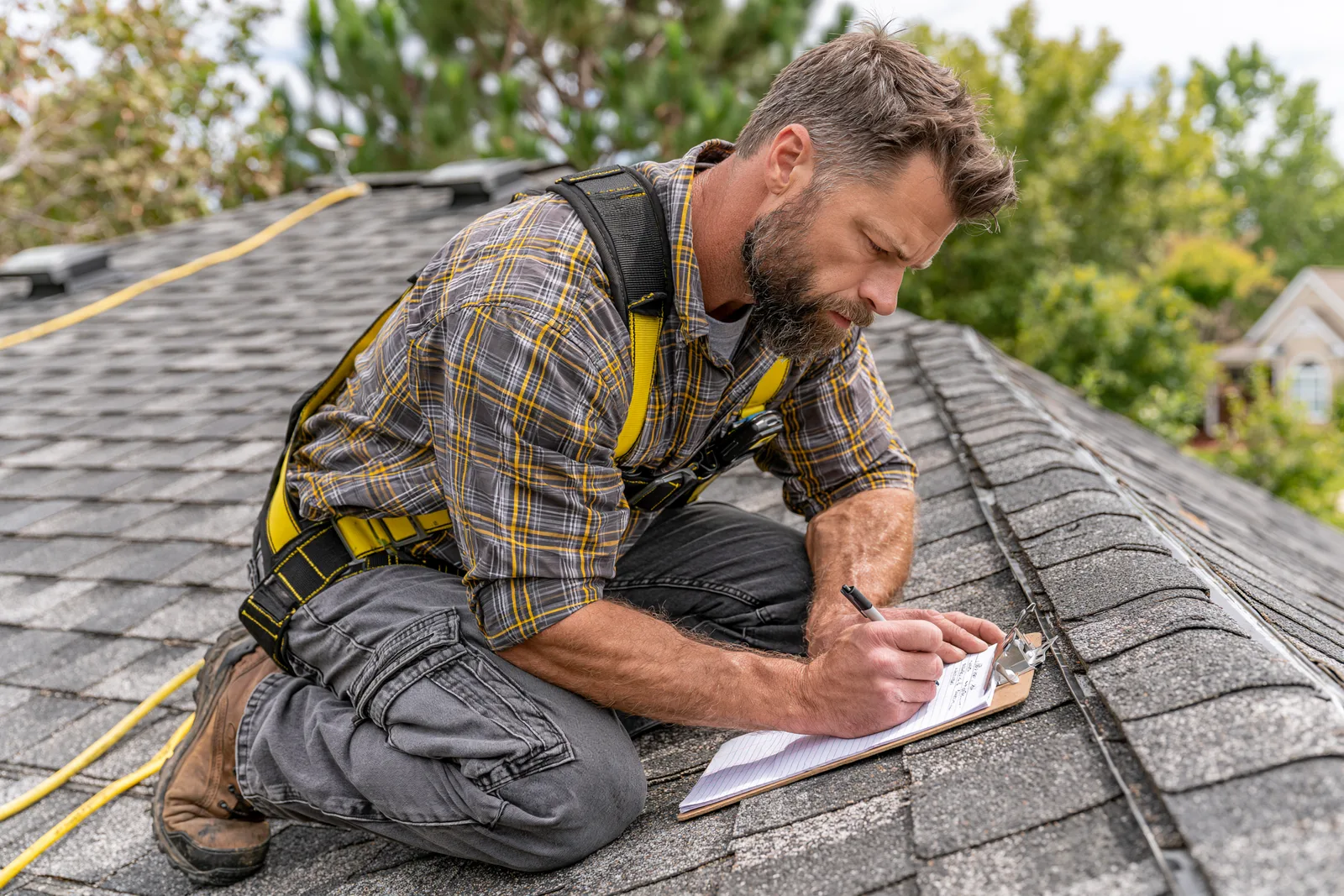
A roofer kneeling on a shingle roof writes notes on a clipboard

Deductibles and settlement type

These terms explain why a covered loss can still leave a balance to pay. TDI’s replacement cost and actual cash value guide describes the difference.

Replacement cost

Coverage is based on the current cost of covered repairs, subject to policy terms and limits. Payment can come in stages, with an initial amount and additional payment tied to the repair process. The deductible remains your responsibility.

Actual cash value

Payment accounts for age and wear through depreciation. That can leave a larger gap between the insurance payment and the price of new roofing. A replacement proposal and an insurance payment are therefore not interchangeable totals.

Wind and hail deductible

The wind/hail deductible may differ from other losses. A contractor cannot legally waive, rebate or absorb a Texas property-policy deductible. TDI’s deductible guidance explains this obligation. A “free roof” pitch is not a sound budget.

A useful sequence after roof damage

Protect the affected space

Keep clear of a sagging ceiling and water near electrical fixtures. Move belongings only where it is safe. Temporary roof protection needs safe handling, and the protection work should be documented separately from permanent repairs.

Keep the condition visible

Dated photos, the location of leaks, inspection findings and repair receipts create a clearer record than “the roof is bad.” Capture what is visible safely; climbing onto a damaged roof is not necessary to start a roofing request.

Follow the policy process

Report suspected covered damage to your insurer and use its instructions for the claim. Keep the roofing scope specific so you can understand what work is proposed and which payment questions remain with the insurer.

Roof insurance questions

Can the roofing contractor negotiate my claim for me?

Texas does not allow a contractor to act as the public insurance adjuster on a claim when it is also doing the work. Roof findings and repair pricing are different from representing you on coverage or negotiating a settlement. See TDI’s roofing and insurance rules.

Should I wait for a claim decision while water comes inside?

Active water entry needs a safe protection plan. Record the condition and any temporary work, and contact the insurer for its instructions. The storm damage page explains temporary protection and the later permanent repair decision.

Does a bigger estimate mean a bigger insurance payment?

No. The scope should describe necessary roofing work, while the insurer applies the policy to the claim. A higher proposal alone does not change coverage, a deductible or a policy limit.

How can I plan for the roof cost before coverage is settled?

Keep the proposed work cost visible separately from any expected payment. Our regional roof cost calculator gives a replacement planning range; it does not calculate a claim settlement or your final out-of-pocket amount.

Call (817) 634-0700Request roofing help