Why two roof replacement bids can be far apart
Two totals can look like prices for the same roof while paying for different work. The gap becomes clearer when the scope sits beside the number.
The price starts with what is being replaced
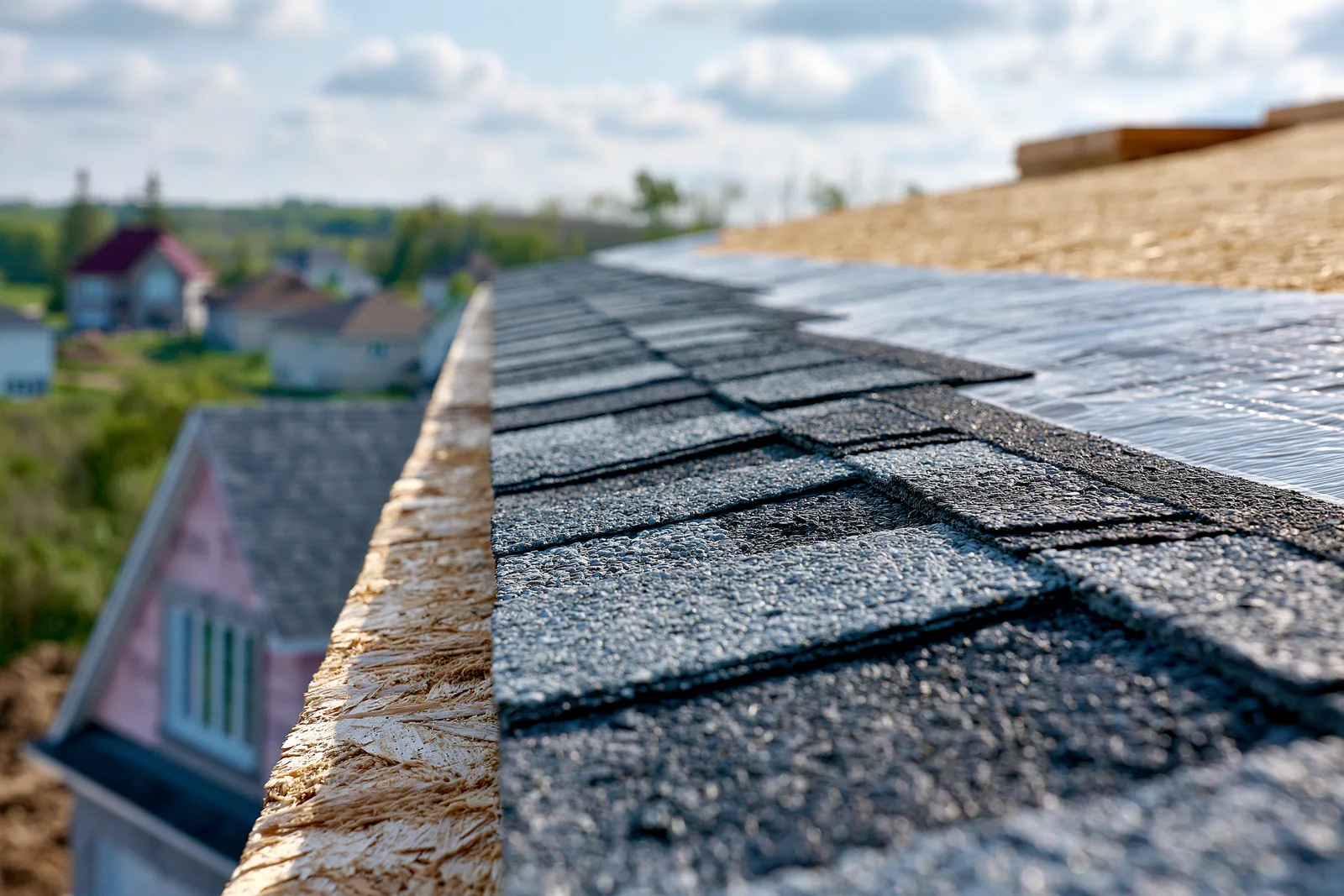
It is reasonable to wonder why one replacement bid is much higher than another. Start with the roof each proposal describes. One may include the garage and porch, while another measures only the main house. One may allow for several existing layers, while the other assumes a single tear-off.
Even matching measurements do not guarantee matching quantities. Roof surface is the area installed; material ordering also includes cuts and waste. Valleys, hips and intersecting roof planes affect those quantities. Indoor floor area is a poor substitute for either number.
The chosen material is another basic difference. Two bids labeled “architectural shingles” may specify different products and accessories. A clear proposal identifies the system closely enough that the comparison is about real work rather than a shared category name.
Where the differences hide
These scope differences can explain a price gap before either bid is judged cheap or expensive.
| Part of the job | A difference you may see | Why it affects the price |
|---|---|---|
| Roof area and waste | Different included roof sections or material quantities. | A larger installed area and more cuts increase material and labor. |
| Tear-off and disposal | One layer assumed versus removal of multiple existing layers. | Extra removal, handling and disposal are additional work. |
| Underlayment and details | Different underlayment, edge metal, ventilation or flashing treatment. | The visible shingles are only part of the finished assembly. |
| Decking | A defined wood allowance versus all replacement wood charged separately. | The starting total can include very different amounts of hidden repair. |
| Access and protection | Different staging, equipment, landscape protection or cleanup scope. | Site conditions and the method of work affect labor and handling. |
| Terms and warranties | Different payment stages, exclusions and written warranty coverage. | A duration alone does not show who covers which problem or what conditions apply. |
Allowances and exclusions are part of the number
An allowance is an amount of work included before the exact need is known. An exclusion leaves that work outside the starting price. Those are different ways to present a bid, and neither should be hidden behind a low headline total.
For example, one proposal might include two sheets of replacement decking with a stated price for each additional sheet. Another might exclude all decking and list a unit price from the first sheet onward. If damaged wood is uncovered, the totals move differently. This is an illustration of bid structure, not a price or an assumption about your roof.
Change terms matter as much as the allowance. A useful proposal explains how newly exposed damage is documented and how additional work is authorized. Separately priced gutters, interior repairs or solar removal and reset can also explain why two roof-only totals fail to describe the full project.
Put the totals back in context
Once the included work, material and change terms line up, the remaining gap may reflect labor pricing, overhead, scheduling and the contractor’s approach to the job. A higher price does not prove better workmanship, and a lower price does not prove that something has been left out. The scope gives you a fair basis for deciding what the extra cost buys.
Our roof cost calculator provides a separate regional budget reference using published DFW installed rates. It helps put a total in perspective, but it cannot price hidden wood damage or replace the contractor’s inspection.
If the proposals disagree on whether the roof needs replacing at all, that comes before comparing replacement totals. Review the repair versus replacement considerations and the findings supporting each recommendation. In Forest Hill, applicable permit and city requirements also need to fit the actual property and work.