Why a ceiling stain can be far from the roof leak
The brown mark shows where water reached the ceiling. The opening in the roof may be several feet away.
Water follows the easiest route
A stain after rain can make you look straight up for a missing shingle. But water does not always fall straight through the roof and ceiling. It can run along the underside of decking, follow a rafter or spread through insulation before collecting at a drywall seam or low spot.
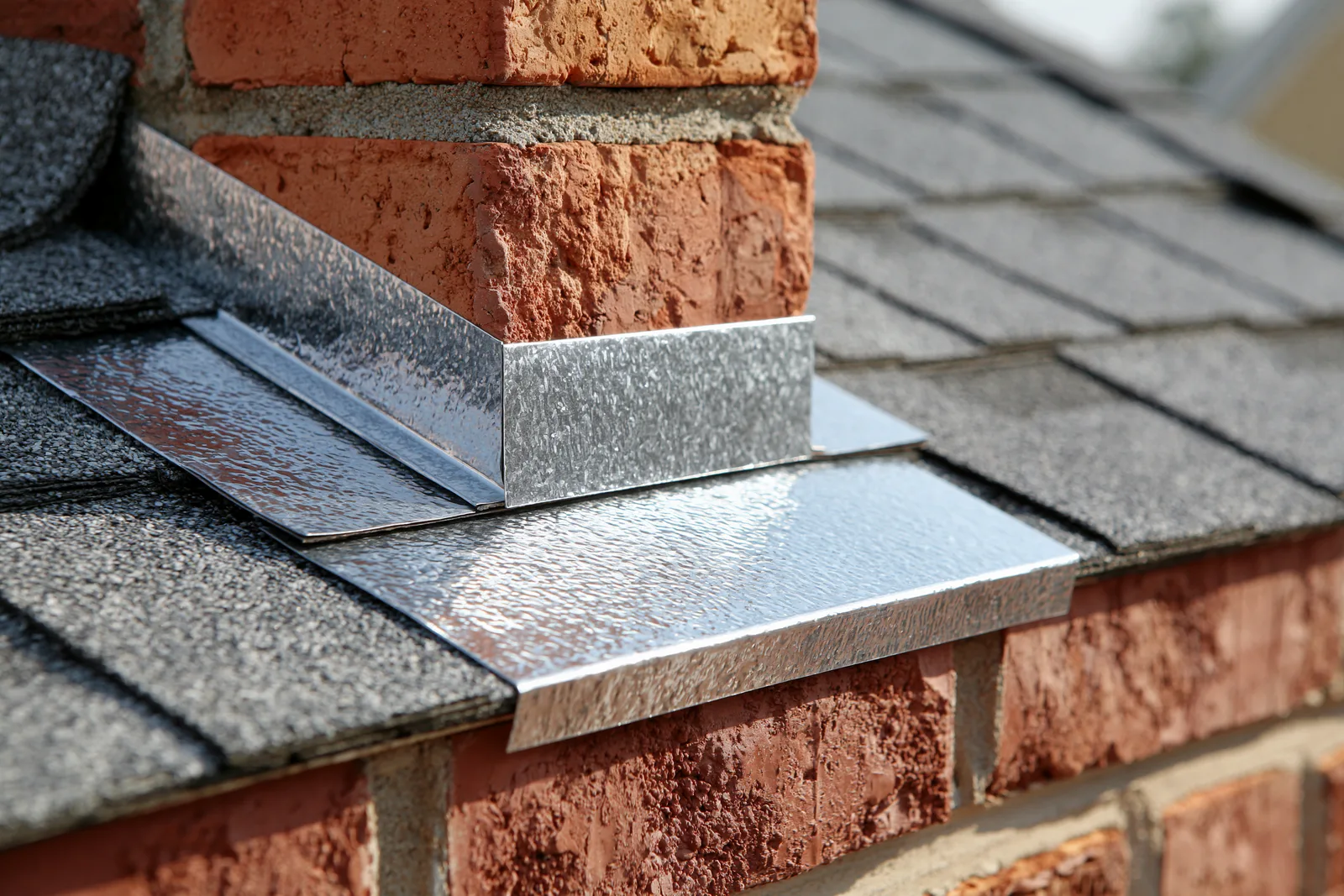
Consider rain entering beside a chimney uphill from the room. The first opening may be at the flashing, while the first indoor mark appears farther down the roof slope. Repairing the shingles directly above that mark can leave the entrance untouched. The visible stain is a starting location for tracing moisture, not a map pin for the repair.
A rain connection is useful, too, but it is not conclusive by itself. Plumbing, air-conditioning drainage and condensation can also wet a ceiling. What happens between rainstorms helps narrow the search.
Three clues that change the inspection
Which rain brings it back
A stain that changes during wind-driven rain can point toward a vulnerable wall or roof junction. One that appears during prolonged rain may reflect slower wetting or collection. Timing directs attention; it does not identify the failed component on its own.
The path above the room
Where safely accessible, moisture marks on decking or framing can connect the ceiling location with a higher entry point. Insulation may hold water and obscure that path, so a dry surface view does not always complete the investigation.
What happens in dry weather
Moisture that returns when there has been no rain brings plumbing and cooling equipment into the picture. An old brown mark that stays unchanged may be a past leak, while a spreading ring or fresh wetness calls for a new look.
Why another layer of sealant may miss the point
Sealant belongs in some roofing details, but it cannot correct every water path. At a wall or chimney, properly arranged flashing sheds water back onto the roof surface. When that layering is wrong or deteriorated, covering the visible seam can leave water entering behind it.
A lasting roof repair needs to address the failed detail and connect to usable surrounding material. Opening a limited area may reveal wet wood or damaged roofing that was hidden from above. That can enlarge a repair without making the whole roof a replacement project.
When the inside needs attention too
The roof repair stops the source, but wet insulation, damaged drywall or affected trim can need separate drying and repair. Repainting too early can conceal moisture or leave a new finish that stains again. The interior work belongs after the water source and affected materials have been addressed.
Keep clear of a bulging ceiling, and do not touch a wet electrical fixture. Move belongings and contain a drip only where it is safe. Roof access and opening a water-damaged ceiling are not useful do-it-yourself diagnostic steps.
When you describe the leak, the room, first date noticed and whether the mark changes during rain are a helpful start. You do not need to find the opening yourself. A roof inspection can establish whether the problem is a roof detail, a broader roof condition or something that needs another trade.